Container Homes UK: Complete Guide to Modular and Pre‑Fabricated Homes
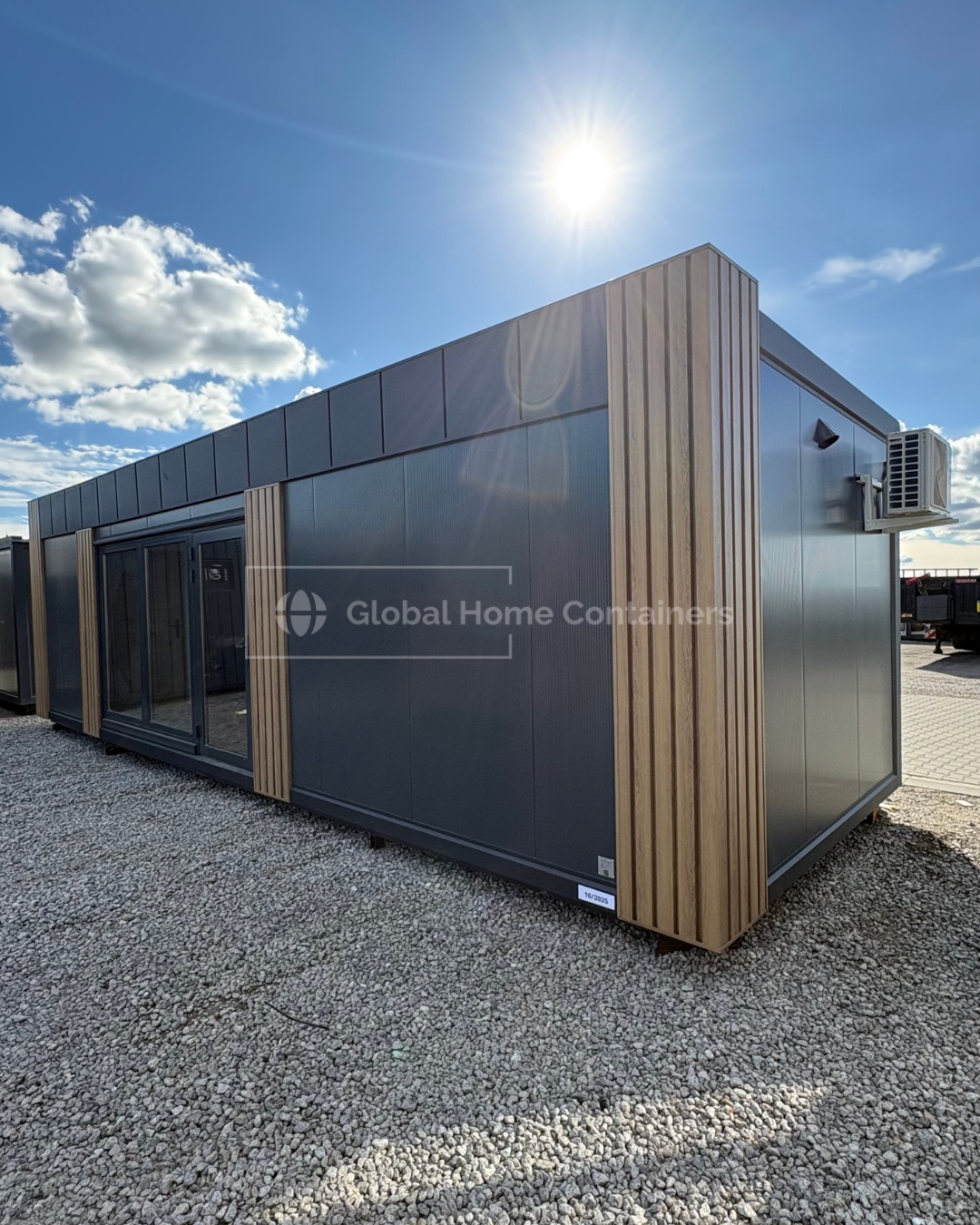
The UK housing market is changing fast. Buyers are looking for smarter budgets, quicker build times, lower running costs, and more flexible ways to live. That is exactly why interest in container homes UK continues to grow. What was once seen as a niche solution is now becoming a serious option for homeowners, investors, landlords, developers, and families searching for a practical alternative to traditional construction.
For many people, the first reaction is curiosity. Can a container-based home really be comfortable, stylish, and built to modern standards? The answer is yes – when designed and delivered correctly. Today’s systems combine efficient construction methods, strong structural performance, modern insulation, and attractive design. In other words, this is no longer just an unconventional housing idea. It is a real part of the future housing conversation in Britain.
This guide explains how container homes UK fit into the wider world of modern housing, what buyers should know before choosing one, and why so many people are now comparing them with modular homes UK and other fast-build solutions.
Why the UK market is paying attention
Rising land prices, labour shortages, longer traditional build programmes, and growing demand for energy-conscious homes have all pushed modern construction methods into the spotlight. Buyers do not only want a house that looks good. They want one that works better financially and operationally over the long term.
That is where container-based construction stands out. It offers a faster path from concept to completion, more predictable factory-led production, and the opportunity to create homes in a controlled process rather than relying entirely on variable site conditions. For the customer, that often means better consistency, fewer delays, and clearer budgeting.
This is also one reason why interest in pre fabricated homes UK has increased. More buyers now understand that off-site production is not a compromise. In many cases, it is a quality-focused decision. The same shift is helping modular homes UK gain credibility among people who would never have considered non-traditional construction a few years ago.
What are container homes?
In simple terms, container homes are residential buildings created using steel container-based modules as part of the main structure. These can be used as compact single-unit homes, multi-section family houses, garden annexes, holiday accommodation, rental units, or mixed-use developments. Depending on the design, they can be highly contemporary, minimal, industrial, or fully tailored to blend into more traditional surroundings.
The biggest misconception is that these homes feel temporary or uncomfortable. In reality, well-designed living containers can include the same features people expect from any modern home: insulated walls, efficient heating systems, quality glazing, full kitchens, bathrooms, built-in storage, and carefully planned living space.
In today’s market, many buyers are not comparing these homes only with brick-and-block builds. They are also comparing them with prebuilt homes, because the decision often comes down to speed, certainty, design flexibility, and cost control.
Container homes vs modular homes
This is one of the most common questions from buyers. Are container homes the same as modular homes? Not exactly, but they do overlap.
Modular homes UK usually refers to homes built in factory-made sections and assembled on site. Those sections are designed specifically for housing manufacture. Container-based homes use steel container forms as a structural starting point, then transform them into habitable spaces through engineering, insulation, services integration, and internal finishing.
In practical terms, both models benefit from off-site production and shorter project timelines. Both can also support strong quality control and better scheduling. The difference is mainly in the base structure and design approach.
For some clients, modular container homes offer the best of both worlds: the efficiency of modular construction with the strong visual identity and structural logic of container-based architecture. This makes them especially attractive for buyers who want a distinctive property without sacrificing comfort or performance.
Why buyers choose container-based homes
There is no single reason why people explore container homes UK. Usually, it is a combination of several benefits.
- Faster project delivery compared with many traditional builds.
- Greater budget visibility through controlled manufacturing processes.
- Flexible layouts for single occupants, couples, families, investors, and developers.
- Strong modern design appeal, especially for contemporary housing.
- Potential for scalable projects, from one unit to multi-unit schemes.
- Efficient use of space, especially on constrained or awkward plots.
- Growing appeal among buyers who value innovation and practical construction solutions.
For investors and developers, container-based projects can also create opportunities in temporary accommodation, holiday lets, workforce housing, student living, and smaller residential schemes. For private buyers, the attraction is often simpler: they want a home that can be delivered more efficiently and tailored to modern lifestyles.
Who are these homes best for?
The market is much broader than many people assume. Container-based homes can appeal to:
- First-time buyers looking for a more accessible route into home ownership.
- Families who need a compact but functional primary residence.
- Landowners wanting an annexe, guest accommodation, or secondary dwelling.
- Developers exploring efficient small-scale housing projects.
- Holiday park and hospitality operators expanding accommodation stock.
- Investors seeking rental units with a distinctive market position.
- People relocating to rural or semi-rural areas and looking for flexible housing options.
This is why container houses UK are becoming part of more conversations beyond architecture circles. They are no longer interesting only to design enthusiasts. They are becoming relevant to practical buyers and commercial decision-makers too.
Design has moved far beyond the stereotype
One of the strongest selling points today is how far design standards have evolved. Early assumptions about plain metal boxes no longer reflect the best of the market. A high-quality container home can feature timber cladding, rendered finishes, striking glazing, pitched or flat roof treatments, open-plan interiors, and premium fixtures throughout.
That means buyers do not have to choose between practicality and visual appeal. They can create a home that feels modern, warm, and genuinely desirable. This matters in the UK market, where customers often want a home that performs well but also holds aesthetic value in the eyes of future buyers, tenants, or family members.
This design flexibility is one reason people often start by searching for housing containers, then quickly realise the category includes far more sophisticated solutions than expected.
Planning permission and UK compliance
For any buyer, this is a crucial subject. A container-based home is not simply placed on land and occupied without process. In the UK, the project normally needs to be considered in the context of planning permission, site use, access, drainage, utilities, and compliance with building regulations.
The exact route depends on the site, the intended use, and the local authority. A permanent residence will require a different planning conversation from a garden annexe or temporary accommodation unit. Buyers should also think about foundations, structural calculations, thermal performance, ventilation, fire safety, and service connections.
The good news is that a professionally delivered project is designed with these issues in mind from the beginning. That is one of the major advantages of working with an experienced supplier rather than trying to piece a solution together from multiple providers. Good planning at the front end reduces risk, avoids redesign costs, and gives clients more confidence as the project moves forward.
Are container homes comfortable to live in?
Yes – if they are designed properly. Comfort depends on insulation strategy, ventilation, glazing, layout, heating, cooling control, and interior planning. A well-executed project should feel like a modern home, not like a converted industrial shell.
This is especially important in the British climate, where moisture control, heat retention, and year-round usability are essential. Proper wall build-up, airtight detailing, and efficient systems all play a role. When done correctly, living containers can provide comfortable day-to-day living with a strong sense of space and functionality.
For many homeowners, the surprise is not whether the home is livable. It is how polished and practical it feels once completed.
Cost expectations and value
There is no single fixed price for container homes UK, because cost depends on size, specification, design complexity, transport, site conditions, utility connections, and planning requirements. A compact studio-style unit will sit in a very different budget range from a large multi-module family home.
However, the real value conversation goes beyond headline build price. Buyers should assess:
- Speed to completion.
- Predictability of programme and budget.
- Quality control during manufacture.
- Long-term running costs.
- Maintenance requirements.
- Resale or rental appeal.
- Suitability for the site and intended use.
In many cases, prebuilt homes and container-based solutions attract buyers not simply because they may reduce certain costs, but because they reduce uncertainty. That is often just as important as the base construction figure.
Common use cases in the UK
The strength of this sector is its versatility. Container-based homes can be used across a wide range of residential and commercial scenarios.
- Full-time private homes.
- Garden annexes for relatives or independent living.
- Holiday rental accommodation.
- Staff housing and workforce units.
- Student and short-stay accommodation.
- Developer-led small housing schemes.
- Demonstration homes and show units for new residential concepts.
As more people discover the potential of modular container homes, the market is also seeing more interest in multi-unit layouts, stacked forms, and custom-designed schemes tailored to specific plots.
Why education matters in this market
Many potential buyers are interested in the concept long before they are ready to purchase. That is why educational content is so valuable. Someone reading about container homes UK today may become a customer in six months, a referral partner in a year, or the person who recommends your solution to a friend, family member, investor, or landowner.
This is especially true in emerging categories. People need clarity before they commit. They want to understand how these homes work, where they fit in the market, what standards apply, and why one supplier offers more value than another. A strong educational approach builds trust first – and sales follow that trust.
For businesses in this sector, that means the goal is not only to sell a product. It is to become the brand people think of when they hear terms such as housing containers, living containers, or modern off-site residential solutions.
What to look for in a supplier
Not all providers offer the same level of quality, support, or technical understanding. If a buyer is seriously comparing options, they should look at more than marketing visuals.
A strong supplier should offer:
- Clear design and specification guidance.
- Real understanding of UK planning and compliance expectations.
- Transparent communication on scope, exclusions, and timelines.
- Flexibility in layout, finishes, and project scale.
- Proven manufacturing and installation processes.
- Support from concept through delivery.
This is where professional expertise becomes a major differentiator. The best suppliers do not just sell units. They help clients shape a viable housing solution.
The future of container homes in Britain
The market is still developing, but the direction is clear. Alternative construction methods are no longer fringe ideas. They are becoming part of the mainstream housing conversation, especially as the UK continues to face pressure around affordability, supply, sustainability, and build efficiency.
That is why pre fabricated homes UK, modular homes UK, and container houses UK are now attracting attention from a much wider audience. Some people are actively looking to buy. Others are exploring investment opportunities. Many are simply trying to understand what modern housing may look like over the next decade.
Container-based homes sit directly inside that conversation. They offer speed, flexibility, identity, and practical value in a market that increasingly demands all four.
Final thought
Whether someone is searching for a primary residence, a land development opportunity, an annexe, or a future-focused investment, container homes UK deserve serious attention. They combine modern methods with real-world practicality, and they continue to prove that innovative housing can also be comfortable, attractive, and commercially smart.
For brands operating in this space, the opportunity is even bigger. The companies that explain the market clearly, build trust early, and show what is possible with modular container homes and prebuilt homes will be the ones that lead it.
If you are exploring better housing solutions for yourself, your family, or someone in your network, now is the right time to take a closer look. The market is maturing, buyer awareness is rising, and container-based living is moving from curiosity to credible choice.
FAQ
1. Do container homes need planning permission in the UK?
In most cases, yes. Requirements depend on the site, intended use and local authority regulations.
2. Are container homes comfortable to live in year-round?
Yes – if they are properly insulated, ventilated and fitted with efficient glazing and heating systems.
3. What is the difference between a container home and a modular home?
A container home uses container-based steel structures, while a modular home is built from factory-made sections designed specifically for residential use.