Container Homes UK: Complete Guide to Modular and Pre‑Fabricated Homes
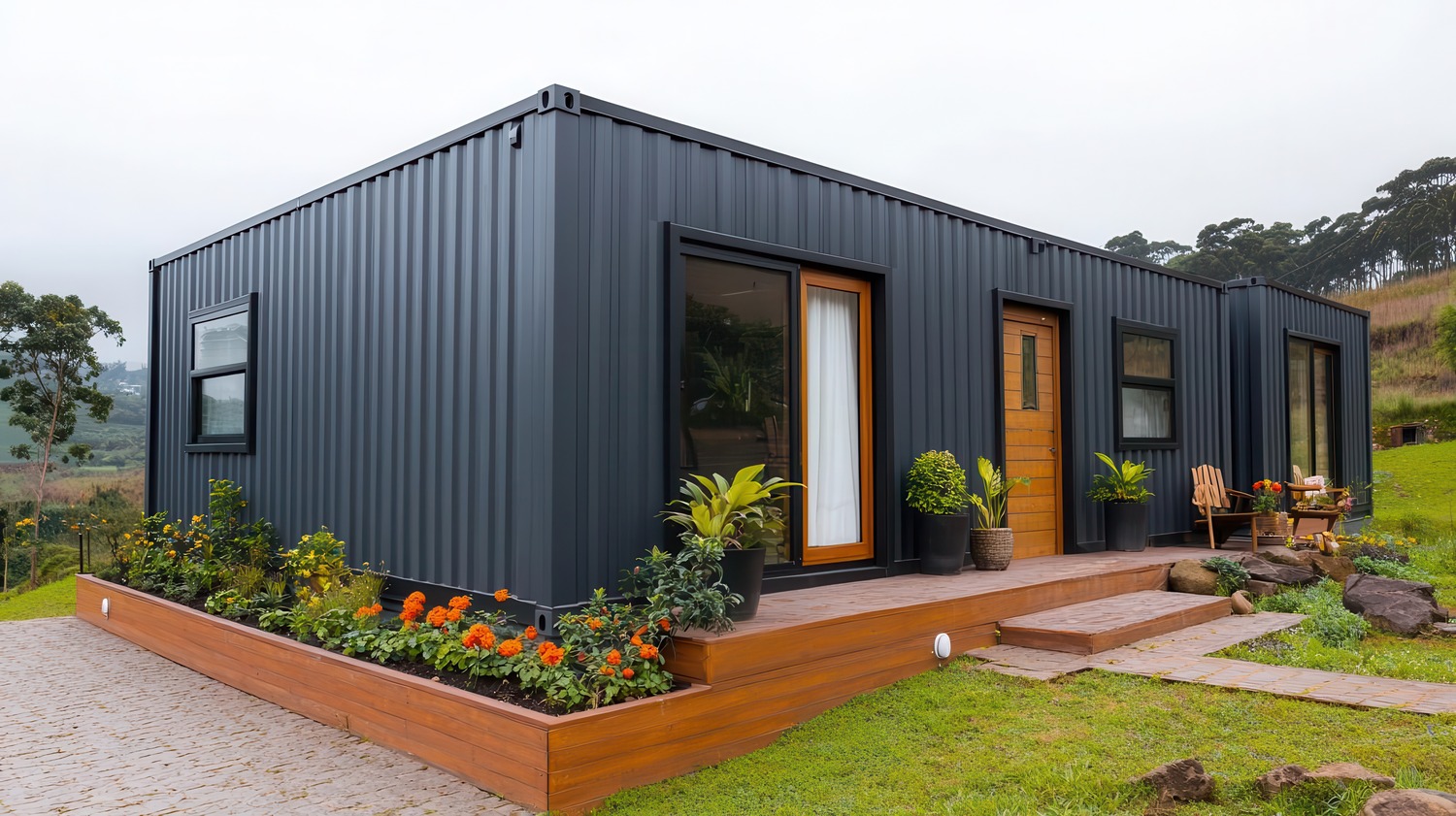
If you are looking for a modern, faster and more flexible alternative to a traditional house, container homes UK are becoming an option worth serious attention. From compact studios and garden annexes to full family properties, today’s modular and pre‑fabricated homes can offer a practical route to comfortable living with shorter build times and better budget control.
This guide explains how container houses UK work, what types of layouts are available, what benefits they offer, and what to consider before starting a project. If you are exploring modern housing solutions, container-based construction can be an efficient way to combine design, speed and functionality in one package.
What Is a Container Home and How Does It Work?
A container home is a residential structure inspired by the dimensions, durability and efficiency of container-based construction. In the broadest sense, the term can include container homes, modular container homes, housing containers and living containers designed for permanent or semi-permanent use.
In the UK market, the phrase container homes UK is often used to describe more than one type of product. Some homes are created by converting used containers homes into liveable spaces. Others are modern, factory-built modules designed specifically for residential use from the outset and then delivered to site for installation.
That distinction is important. A well-designed modular system is not simply a steel box with windows added later. It is a carefully planned living solution created with insulation, ventilation, comfort and everyday use in mind. This is one of the main reasons why more buyers now compare prefabricated container homes, prebuilt homes and modular houses with traditional construction.
Modular vs Converted Container
A converted container usually starts as a used container home that is later adapted for residential use. This option can appeal to buyers who like the industrial aesthetic or want a unique one-off concept. However, the end result depends heavily on build quality, insulation standards and the experience of the contractor carrying out the conversion.
A modular or pre-fabricated home is different. It is planned as a residential product from the beginning, with layout, performance and comfort built into the design. For many buyers, this makes modular homes UK a more attractive and reliable option, especially when the goal is long-term living rather than an experimental project.
If the priority is practicality, consistency and speed, a modular solution is often easier to compare, easier to cost and easier to expand over time.
Types of Container Homes Available in the UK
The UK market now offers far more than small novelty units. Today, container homes for sale UK can range from compact one-bedroom layouts to spacious multi-module family homes, holiday properties, backyard annexes and flexible accommodation units.
Typical options include:
- Studio homes for single occupants, guest use or rental purposes.
- One-bedroom homes for couples, downsizers or private garden accommodation.
- Two-bedroom and family-size units for year-round living.
- Holiday homes for leisure plots and tourism projects.
- Annexes, office spaces and flexible backyard buildings for changing household needs.
This variety is one of the strongest reasons why pre fabricated homes UK are attracting more attention. Buyers no longer have to follow one standard idea of what a home should look like. Instead, they can choose a layout that fits their land, budget and daily routine.
Single‑Module Homes (Studios and 1‑Bedroom Units)
Single-module homes are often the first step into the world of living containers. They work especially well as tiny homes, guest spaces, holiday cabins, home offices or self-contained annexes.
A smart studio layout usually combines a compact kitchen, a lounge or sleeping area and a separate bathroom. A one-bedroom design adds more privacy and creates a clearer distinction between living and sleeping zones. This makes compact homes feel more practical and more comfortable for everyday use.
For many buyers, these homes represent an accessible starting point in the container homes UK market. They can deliver modern design and independence without the scale or complexity of a full traditional build.
Multi‑Module Homes and Extensions
For buyers who need more space, several modules can be combined into one larger property. This is where modular container homes become especially appealing. By connecting modules, it is possible to create separate bedrooms, a larger open-plan kitchen and lounge, extra bathrooms, utility areas or even a dedicated home office.
One of the biggest advantages of this approach is flexibility. Some homeowners begin with one module and expand later by adding another bedroom, an extra living area or a larger entrance space. That staged model makes modular homes UK especially practical for households whose needs may change over time.
This also means that container houses UK are no longer limited to small or minimalist formats. With the right layout, they can become highly functional long-term homes for couples, families and even premium residential projects.
Container Homes UK: Main Benefits Compared to Traditional Builds
The growing appeal of container homes UK is not just about style. It is also about speed, predictability and greater control over the build process. Buyers looking at prefabricated container homes are often searching for a simpler route from first enquiry to completed home.
Because much of the work takes place off-site, the process can often be easier to manage than a conventional build. It can also reduce disruption on the plot and make installation more straightforward once the modules are ready to be delivered.
Speed and Predictable Timelines
One of the strongest benefits of modular building is speed. Instead of carrying out every stage on the plot, much of the work is completed in a controlled factory environment before the home reaches the site.
For buyers, this can mean fewer weather-related delays, fewer trades working on site at different times and a more predictable project timeline. Rather than waiting through a long traditional build, customers can often move through design, production and installation in a more streamlined way.
This is one of the reasons modular container homes continue to gain popularity across the UK. They offer a modern solution for people who want a home delivered through a more efficient and organised process.
Cost‑Effectiveness and Budget Control
Another major advantage is cost visibility. While every project is different, pre fabricated homes UK often make budgeting easier because much of the design, specification and production scope is agreed earlier.
That does not mean every solution is cheap. It means the cost structure is usually clearer and easier to compare across different sizes, finishes and layouts. For many buyers, this is preferable to a traditional build where delays, labour fluctuations and scope changes can increase the final cost unexpectedly.
This is also why phrases such as affordable container homes UK, prebuilt homes and container homes for sale UK perform well in search. Buyers are not only looking for a different type of house. They are often looking for a more controlled and transparent process.
Sustainability and Off‑Grid Options
Sustainability is another reason interest in modular construction keeps growing. Factory-based production can reduce material waste, improve efficiency and limit the level of disruption on site. This makes housing containers and modular systems appealing to buyers who want a more streamlined and lower-impact construction route.
Many homes can also be adapted for off-grid or low-impact living, depending on the specification. Solar panels, rainwater collection, upgraded insulation, energy-efficient glazing and smart ventilation can all support better long-term performance.
For buyers interested in sustainable living, this combination of efficiency and adaptability makes modern container homes an increasingly attractive alternative to conventional housing.
Design and Layout Ideas for UK Container Homes
The success of a container home depends heavily on layout. The best container house ideas focus on light, movement, storage and clear zoning rather than simply fitting furniture into a narrow space.
Most modern container homes use an open-plan kitchen and living area to make the interior feel larger and brighter. They also separate the private sleeping zone from the main daytime area wherever possible. In the UK, this is particularly important because homes must feel warm, practical and comfortable throughout colder and wetter seasons.
One‑Bedroom and Studio Layouts
A smart studio layout can include a compact kitchen run, a sofa area, built-in storage and a fully enclosed bathroom. This setup works well for private guest use, weekend accommodation, rental concepts or independent living in a small footprint.
A one-bedroom unit offers more flexibility. The bedroom can sit at one end of the home, while the middle or opposite end holds the kitchen and lounge. This creates a more natural separation between day and night zones and makes the space feel more like a complete home than a simple conversion.
For buyers comparing living containers with tiny homes or annexes, that extra privacy can be a major advantage.
Two‑Bedroom and Family‑Size Container Homes
Larger modular houses can be organised around an open social core with bedrooms placed on opposite sides for better privacy. This type of arrangement works well for couples, families, visiting guests or homeowners who need a second room as a workspace.
In family-size layouts, storage becomes just as important as sleeping space. Built-in wardrobes, utility cupboards and carefully planned circulation help a compact home feel much more spacious. This is one of the key differences between luxury container homes UK and basic one-off conversions. In higher-quality modular projects, the experience of living in the home is designed intentionally from the start.
Planning Permission and Building Regulations for Container Homes in the UK
Anyone researching container homes UK should understand that planning is a key part of the process. In many cases, a permanent residential home will require planning permission and will need to meet relevant building standards for safety, structure and comfort.
This is particularly important in the UK climate. A container-based home must be properly insulated, ventilated and designed for long-term residential use rather than occasional short stays. The quality of the envelope, internal finish, fire performance and structural design all play a major role in how the home performs over time.
This is why professionally designed modular systems are often a better option than improvised DIY conversions. A home intended for daily living needs to function well in real conditions, not just look appealing in photographs.
When You Usually Need Planning Permission
Planning permission is commonly required when:
- The unit will be used as a permanent residential home.
- The project involves a change in land use.
- The structure is intended to remain on site as part of a long-term development.
- The site is located in a sensitive or restricted area.
Requirements can vary depending on the location and the nature of the project, so planning should always be considered from the very beginning.
Building Regulations: Insulation, Fire Safety, Structure
A container-based home in the UK needs to do more than look modern. It must also perform well in a climate that can be cold, damp and windy for much of the year.
In practice, that means good insulation, controlled ventilation, suitable materials and a reliable structural approach are all essential. This is another reason why modular homes UK are gaining popularity. Factory-built systems usually allow for more consistent production standards and better quality control than improvised site-based conversions.
A well-designed modular system should therefore be viewed not as a compromise, but as a serious modern housing option.
How to Start Your Container Home Project with Home‑Containers
Starting a modular home project does not have to be complicated. A clear step-by-step process can make the journey much easier:
- Send an enquiry and explain your goals.
- Review available layouts and choose a model that fits your needs.
- Adjust the layout, finish and configuration if required.
- Confirm production details and delivery scope.
- Prepare the site and move toward installation.
This process works especially well for buyers who want a straightforward route instead of managing many separate contractors. It also suits people searching for container homes for sale UK, prefabricated container homes or modular houses, because they are often looking for one provider that can guide the project from concept to completion.
Typical Timeline from First Call to Move‑In Ready Home
A typical journey begins with a consultation, followed by layout selection or design refinement, then factory production, delivery and on-site installation. Because so much of the work is completed off-site, the overall timeline can often be more controlled than a traditional construction process.
That is one of the core reasons why interest in container homes UK and modular homes UK keeps growing. Instead of treating the house as a long and unpredictable build, buyers can approach it as a modern, structured and efficient housing solution.
FAQ
1. Do container homes need planning permission in the UK?
In most cases, yes. If the unit is intended for permanent residential use or involves a change of land use, planning permission will usually be required. Exact requirements depend on the site and local authority.
2. Are container homes suitable for year-round living in the UK?
Yes, they can be, provided they are designed with proper insulation, ventilation and suitable construction standards. A professionally built modular home can offer comfortable all-season living.
3. Are modular container homes cheaper than traditional houses?
They can be more cost-effective in terms of build efficiency and budget control, but the final price depends on the size, specification, transport, site works and level of customisation.